
The Friend’s Resistance to Being Made a Symbol
What Are You Going ThroughThis conflict thread follows the friend’s insistence that she is a particular person, not a lesson in bravery, optimism, or idealized dying.
increasing Bearing strength in each event
 decreasing
Bearing strength in each eventdecreasingThe Heroic Patient
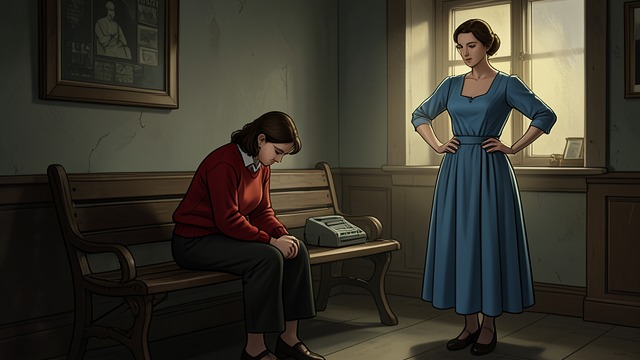
The Heroic Patient
A familiar public story
Others describe cancer as a fight between good and evil, with survival making a patient a hero and death implying failure. The friend recognizes how easily illness is turned into a test of character.
Her experience differs
She knows treatment involved vomiting, diarrhea, and exhaustion. Survival brings relief but not a simple triumph, and recurrence makes the heroic framing even less adequate.
A Podcast Misgiving

A Podcast Misgiving
The request to speak
A hospital social worker persuades the friend to record a podcast about terminal illness. The friend later regrets doing it while in pain and unable to eat.
A fear of poor performance
She worries that one of her last impressions will be a public failure. Even near death, she feels pressure to present herself with composure.
The Refusal to Write

The Refusal to Write
Words become exhausting
The friend rejects the idea of turning her illness into a final book. She is tired of searching for language and does not want to spend her remaining time making a literary account.
A boundary asserted
Her refusal challenges the expectation that a writer must transform every experience into material. The choice protects her remaining life from becoming another performance.
No Visitors, No Announcement

No Visitors, No Announcement
A farewell narrowed
The friend says she has already said goodbye and does not want visitors or a public announcement. She does not wish to organize her death as an event for others.
Privacy as self-definition
Her choice may appear abrupt, but it accords with a lifelong desire for solitude. The narrator must respect a form of farewell that offers no conventional closing scene.
A Script That Fails

A Script That Fails
Roles cannot contain experience
The narrator wonders whether dying is a role people perform, shaped by what others consider appropriate. The friend’s anger, jokes, refusal, and fear resist a single acceptable portrait.
A life beyond the lesson
The friend is not reduced to a model of courage or autonomy. The narrator’s imperfect memories preserve contradiction rather than offer a clean moral ending.
After treatment first succeeds
Before the women meet at the Bar in the Old Neighborhood
During the later hospital conversation
After the women return to the apartment
In the narrator’s final park reflections
